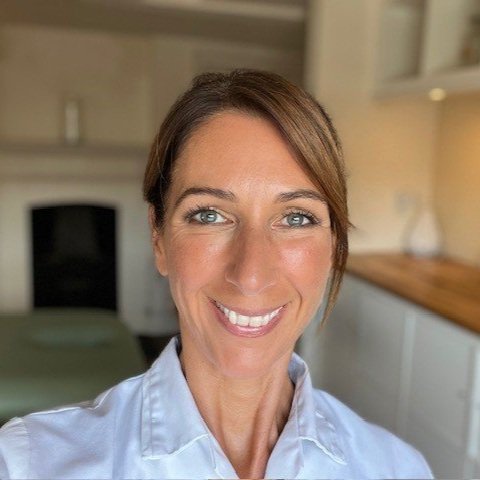
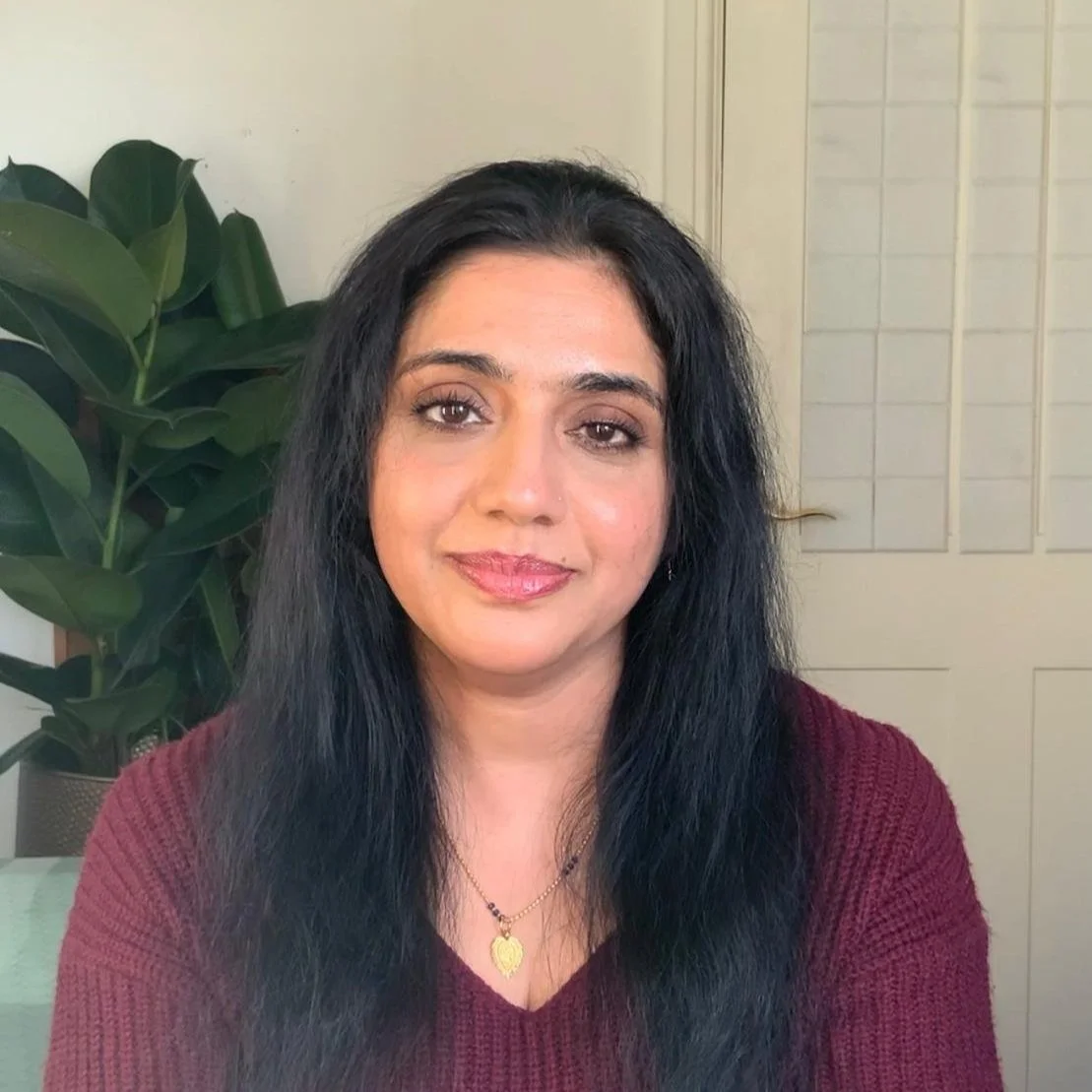
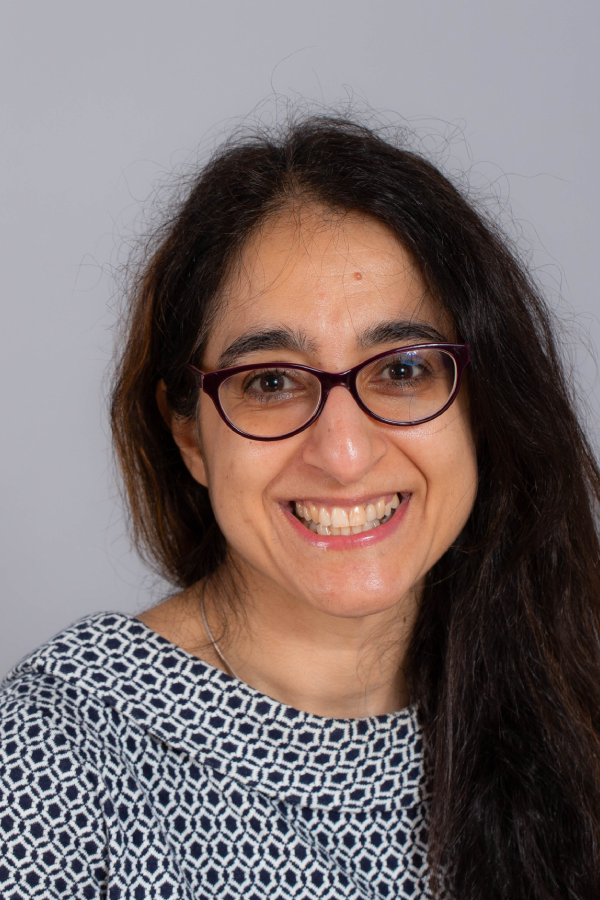
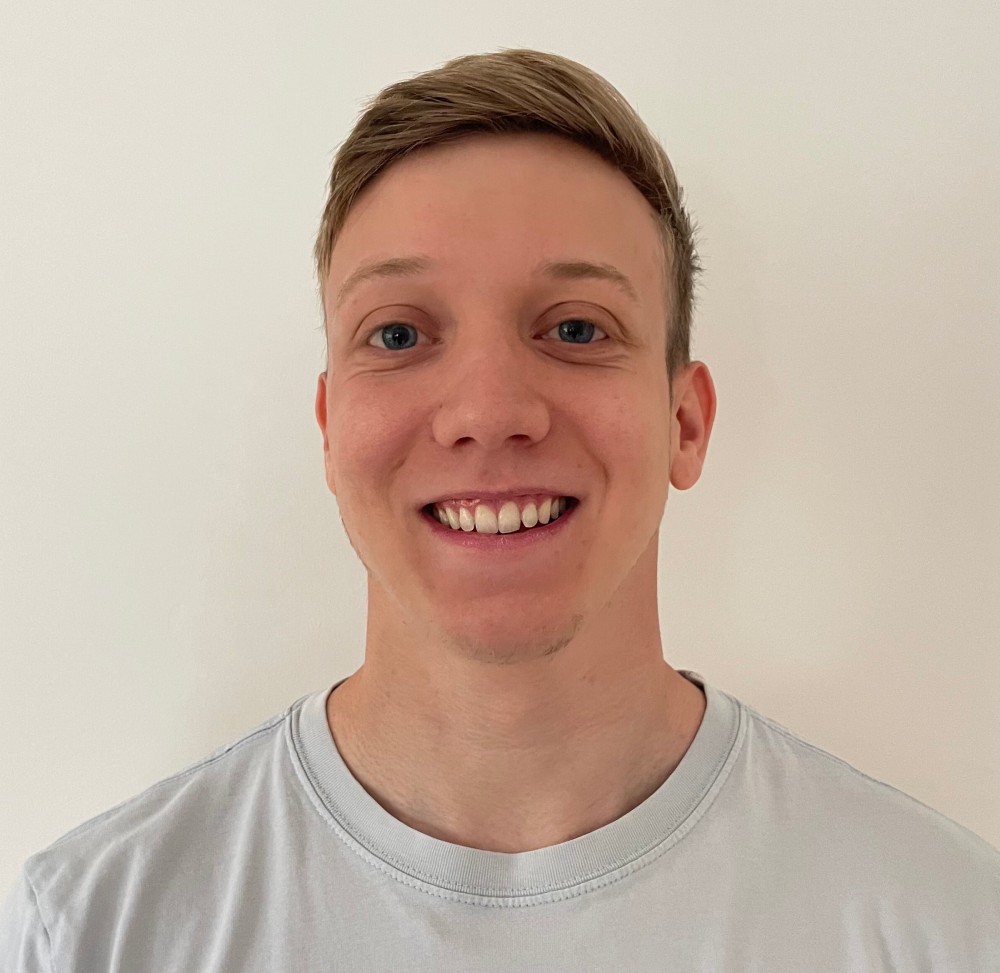
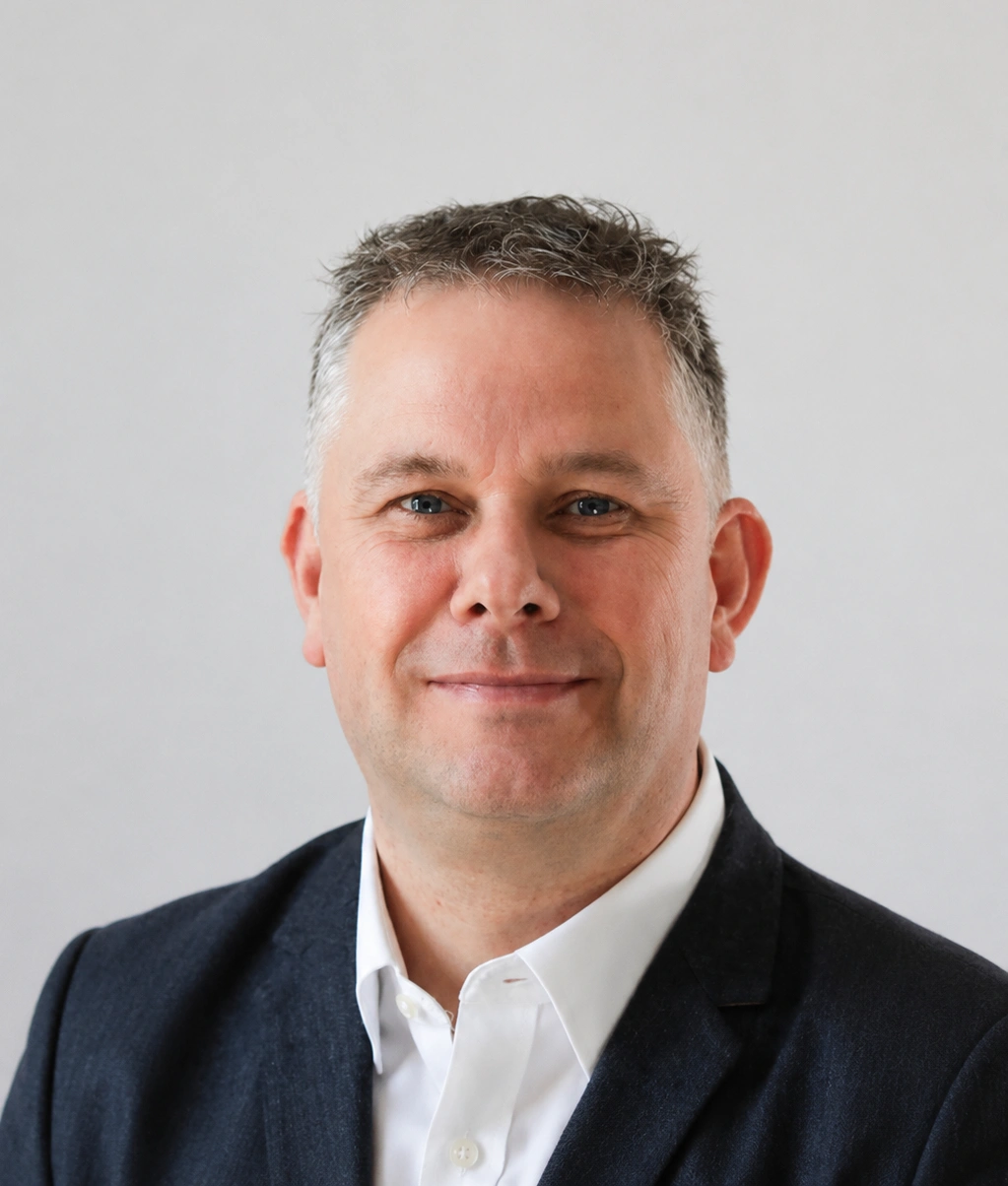
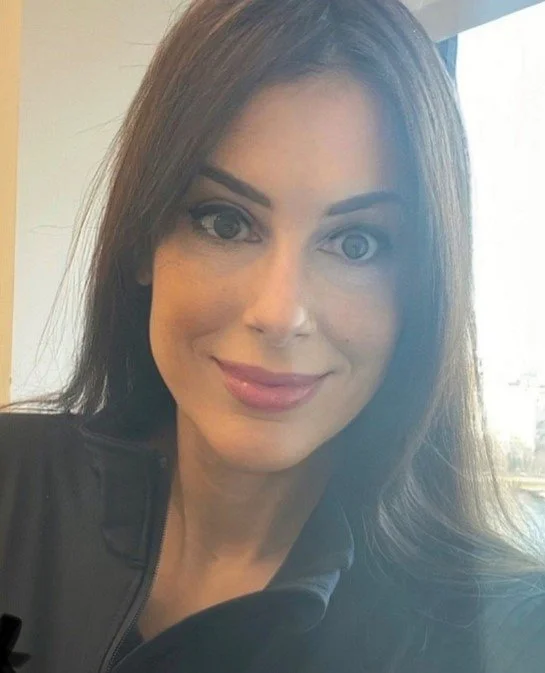
Jodi Cahill
Homeopath, Registered Naturopath & Homotoxicologist
Qualifications:
- MTech(Hom)(SA), PGCE (DTTLS) mANP, mGCRN, mSoH, mSET
Jodi graduated with distinctions in Homeopathy and studied extensively at the Durban University of Technology in South Africa. After completing her dissertation, she qualified with a Masters’ Degree in Homeopathy.
Homeopaths trained in South Africa undergo 6 years of extensive medical, clinical and diagnostic teaching training. Despite the degree course being centred around clinical excellence, homeopaths are also required to demonstrate a broad knowledge of more traditional healing methods such as nutrition and herbs.
Jodi is passionate about health empowerment, so alongside her clinics she began lecturing in 2011 and has lectured at the College of Practical Homeopathy (CPH), the Institute for Optimum Nutrition (ION) and is currently a long-standing and respected senior lecturer in biomedicine, naturopathy & homeopathy and is the Director of Homeopathy at the College of Naturopathic Medicine (CNM).
Jodi established her clinic since 2008 and has run successful clinics in St James Park (London), Richmond (Surrey) and is now currently based in London (Kings Cross) and Sevenoaks (The Manor Clinic).
I am passionate about integrative medicine, and I work alongside other specialist practitioners with the aim of creating individualised treatment plans that are sustainable for the long-term maintenance of good health and vitality.
There are a range of conditions that Jodi see frequently in her clinic such as:
Gynaecological conditions such as amenorrhoea, PCOS, Endometriosis, Fibroids, Menopausal related conditions
Fertility support such as pre-conception support, IVF support, alternative to IVF
Chronic conditions such as Crohn’s disease, Ulcerative Colitis, Hyper/Hypothyroidism, RA, SLE, Fibromyalgia, Chronic fatigue, Diabetes Type1 & 2, Gout
Acute & Chronic Musculoskeletal Conditions such ligamental injury, arthritis, joint erosion, disc herniation, carpal tunnel, persistent muscle spasming
However, Jodi has a particular interest in neurological/ mental health related conditions such as:
- Depression
- Anxiety Disorders such as panic attacks, PTSD, OCD, PTSD, social anxiety, insomnia and sleeping difficulties
- Learning / Social difficulties such as ADD, ADHD, Autistic Spectrum
- Dementia
- Stroke rehabilitation support
The naturopathic services Jodi offers:
- Classical and clinical homeopathy
- Homotoxicology
- Mesotherapy/Biopuncture – injectable homeopathics which are administered intramuscularly, subcutaneously or sub dermally.
- Functional Testing: stool analysis, intolerance testing, organic acids testing, mycotoxin screening, environmental toxin screening, hormonal testing such as Dutch testing etc
- Simple dietary and nutritional advice

 Book Appointment
Book Pilates
Book Appointment
Book Pilates



 www.acupuncturewithAngela.com
 info@acupuncturewithangela.com
 07947 403774